About RBHN Rehab

Thirteen years of clinically rigorous addiction care on Mount Diablo Boulevard, organized around a single question: what does treatment look like when it is built by a family that already knew what loss costs?

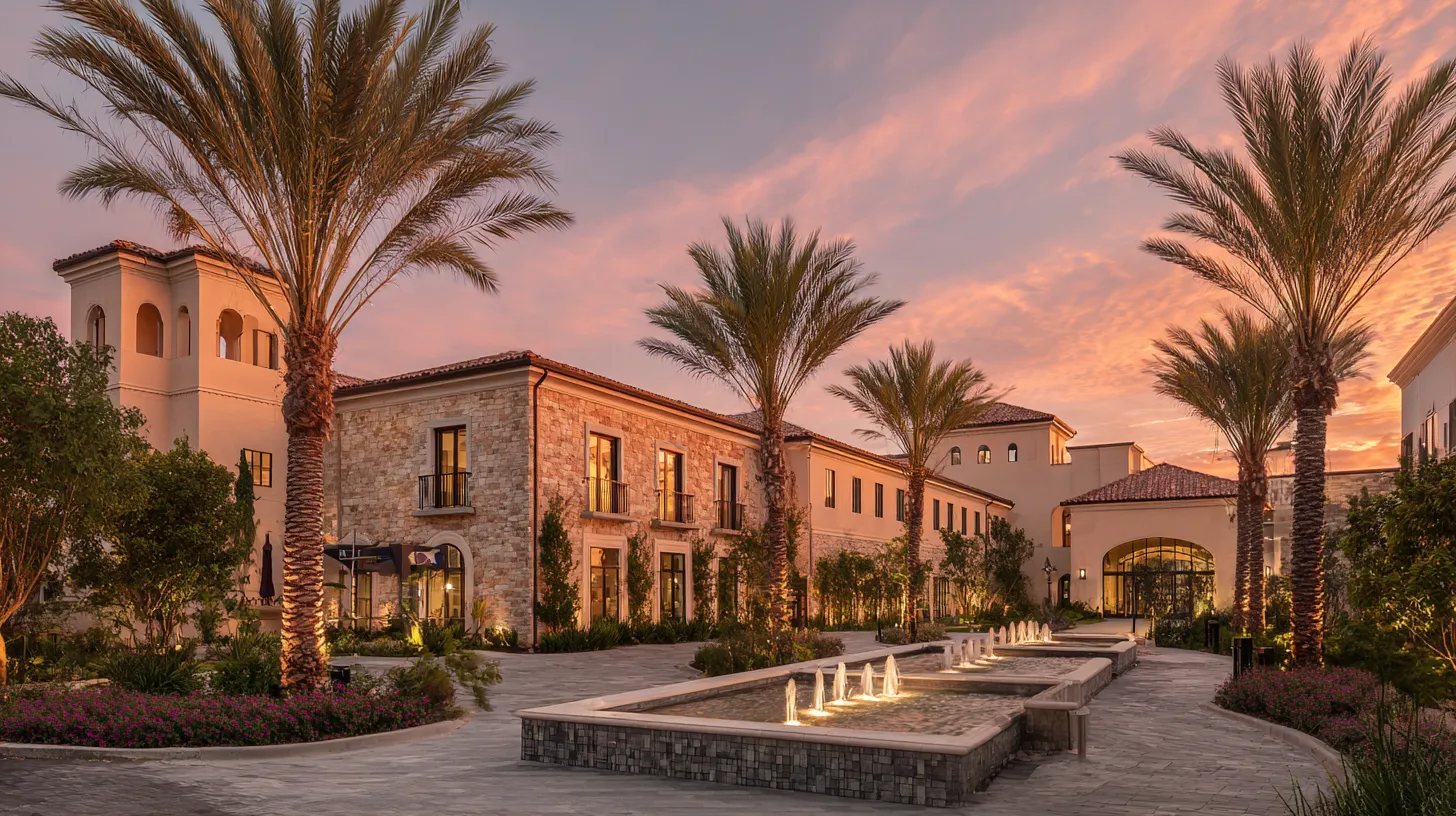
RBHN Rehab facility exterior
RBHN Rehab founding

Our Story

The story of RBHN Rehab begins with a phone call that was not made in time. In late 2010, the founding family lost someone they loved to a fentanyl overdose - a death that came at the end of a years-long search for treatment that the family had never quite been able to find. Looking back, they were able to name the specific gaps: clinicians who treated their loved one as a problem rather than a person, programs that excluded the family from the clinical work, discharge plans that ended at the front door instead of beginning a real continuum.

Two and a half years later, after a long process of working with clinicians who had stayed close through the loss and after extensive consultation with family-systems and addiction-medicine specialists, RBHN Rehab opened on Mount Diablo Boulevard in 2013. Thirteen years and 10,800 patients later, the founding question still organizes the work: what would the program have looked like if it had existed for the family member they lost?

RBHN stands for "Recovery, Belonging, Healing, Now" - the four words the family wrote on a whiteboard during the first staff orientation in 2013, and that have not been erased since.
Our Mission

Our mission is to deliver clinically rigorous addiction treatment that treats every patient and every family as more than the worst night of their life. Accessible quality care means three things at RBHN: in-network coverage with ten major insurance plans, transparent cost conversations on the first call, and clinical excellence measured against the published outcome literature - not against marketing claims.

We share our 12-month sustained-sobriety rate with patients and families on the first call. The right to that number belongs to the person making the treatment decision.

Treatment Philosophy

Three clinical pillars structure the work at RBHN.

Family Systems Theory: Addiction reshapes the family system around the patient over months or years, and recovery requires the system to change with the individual. Our family programming is grounded in family-systems theory and runs through scheduled clinical sessions, not informational visits.

Trauma-Informed Approach: We assume every patient carries trauma history until clinical work has demonstrated otherwise. Room layouts, intake questions, group agreements, and discharge conversations are all designed to reduce re-traumatization.

Community Reintegration: Recovery does not live inside a facility; it lives in the life a patient re-enters. Discharge planning begins at admission - housing, employment, legal, and peer-support coordination are mapped in the first week, not the last.

Therapy session at RBHN Rehab

Our Team

Dr. Anika Subramanian-Holt, MD

Co-Founder and Executive Director

One of the founding clinicians who opened RBHN in 2013. Board-certified in addiction medicine and family medicine, Dr. Subramanian-Holt practiced in the East Bay for over twelve years before co-founding RBHN. She oversees clinical strategy and the family-programming framework that anchors the residential week.

Dr. Marcus Pemberton-Liu, MD

Medical Director

Board-certified in addiction medicine and internal medicine. Dr. Pemberton-Liu joined RBHN from John Muir Health in 2018 to lead the medical detox wing. He sets withdrawal protocols, chairs the weekly clinical rounds, and personally reviews every dual-diagnosis admission.

Sofia Brennan-Castile, LMFT, CADC-II

Clinical Director

Sofia directs the residential and outpatient therapy curricula and leads the trauma-informed-care training cycle for the entire 133-person staff. A licensed family therapist with subspecialty training in family-systems work, she designed the structured-academic schedule that organizes the residential day at RBHN.

What Our Alumni Say

"I did not want to go to RBHN. My daughter drove me from Walnut Creek and I spent the first intake meeting with my arms crossed answering in three-word sentences. I was certain I would sign out within a day. The thing that kept me was the family programming on Thursday of the first week - the clinicians had prepared my daughter for the conversation, and for the first time in two years she said something to me that did not start with anger. I stayed for 60 days. We are talking again."

- Eduardo M., residential alumnus, 2024

"I am sixty-eight years old. I drank for forty of those years and I never thought a treatment center would take someone my age seriously. The intake nurse at RBHN was about my age. She told me her own story before she asked for mine. The clinical team built a peer cohort with two other older adults for the first three weeks. The structured-academic schedule worked for me - I did the workbooks the way I used to do graduate seminars. I have been sober for eleven months and my grandchildren are part of my life again."

- Margaret R., residential alumna, 2024

"Twenty-six years in the Marines, three deployments to Iraq and Afghanistan. The drinking that started overseas had become its own kind of armor by the time I retired. RBHN coordinated with VA benefits and put me in a peer cohort with two other veterans for the first three weeks. The trauma-focused therapy actually moved something I had been carrying for fifteen years. I am two years sober. The peace I did not believe I would find is here."

- Vincent O., residential alumnus, 2023

Begin Your Journey to Recovery

Our compassionate team is ready to help you take the first step.